
We are leaders in the design and manufacturing of advanced flight simulators for professional pilots. Our simulators accurately replicate flight conditions, providing realistic and safe training.
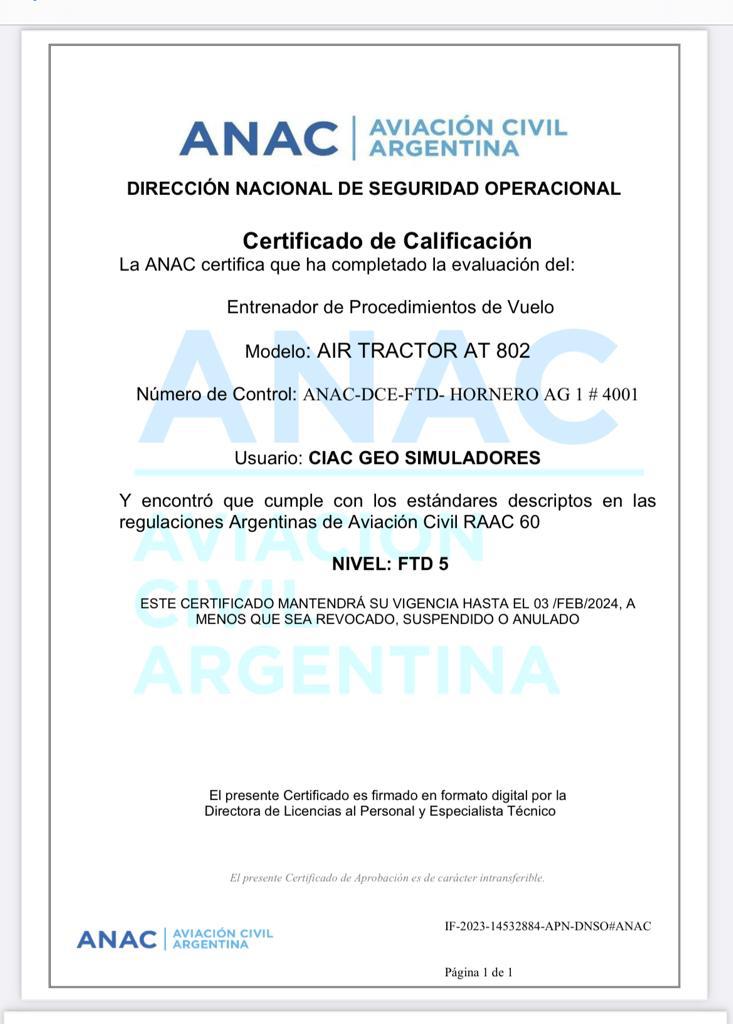
Our equipment is qualified and certified by the National Directorate of Operational Safety, complying with the standards described in Argentina's Civil Aviation Regulations RAAC 60.
With over 20 years of experience, we have developed a wide range of flight simulators for various types of aircraft, including commercial and combat planes.
Our history


The company Hornero Simulators continues its development. Currently, they are working on another exciting project: the creation of a race car simulator in the style of Dallara, the prestigious Italian Formula 3 single-seater company.
With their focus on technology and a passion for innovation, this small Argentine company continues to demonstrate that there are no limits to what they can achieve.
They trust us


InterAir is an instrument flight instruction and training center that utilizes some of our flight simulators. With a specialized approach, it provides the necessary preparation to achieve excellence. Whether you're an aspiring pilot or a professional looking to enhance your skills, courses are offered that are specifically designed for you.
A training that will accompany you every step of your aviation career.


ETAP (Escuela Técnica de Aviación Profesional) is one of Argentina's leading aviation training institutions, with more than 55 years of experience educating pilots and aviation professionals through high-quality, ANAC-approved training programs. Etap has one of our C172 PCATD.

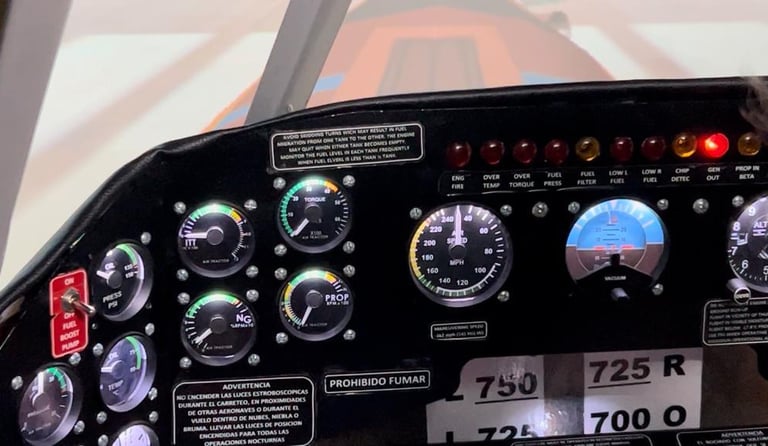
Geo Sim is an instrument flight instruction and training center that has utilized two of our FTD flight simulators. The Air Tractor AT 802 and the BO 105 Bolkow.
On that occasion, pilots from Latin America underwent various training sessions.
EDA (Ente de Desarrollo Aeronáutico de San Luis) is a leading public aviation training organization in Argentina. Through its ANAC-approved Flight Training Center (CIV), EDA delivers professional pilot education supported by modern aircraft and advanced simulation technology. Its training facilities include three Hornero flight simulators—a Cessna 172, a Piper PA-34 Seneca, and a Beechcraft King Air B90—used for both initial and advanced flight training.


Aeroformación Costa Rica is a professional flight training organization committed to delivering high-quality pilot education in Central America. By recently adding a Hornero Cessna Grand Caravan FTD Level 5 to its training fleet, Aeroformación continues to invest in advanced simulation technology to provide realistic, efficient, and effective pilot training.
Experiences in InterAir
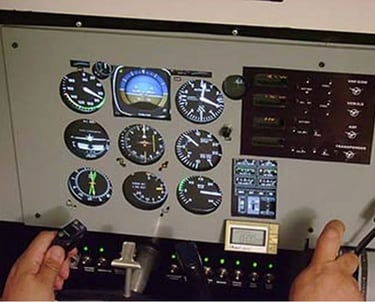
Cessna 172
Complete your first hours of basic instrumental flight. Training for private pilot students, private pilots, and commercial pilots.
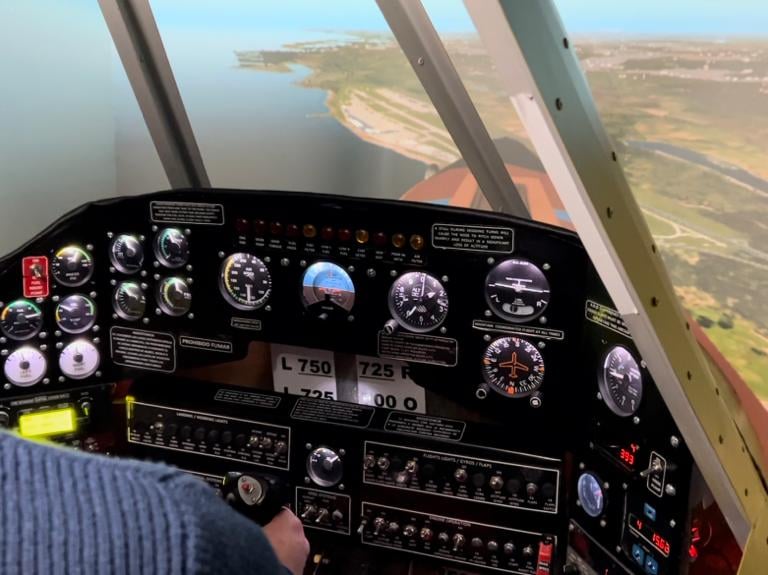
Air Tractor AT400/500/800 Series
Theoretical and practical training for transitioning from piston aircraft to turboprop, with a focus on PRATT & WHITNEY PT6 and similar powerplants. Normal, abnormal, and emergency procedures covered.
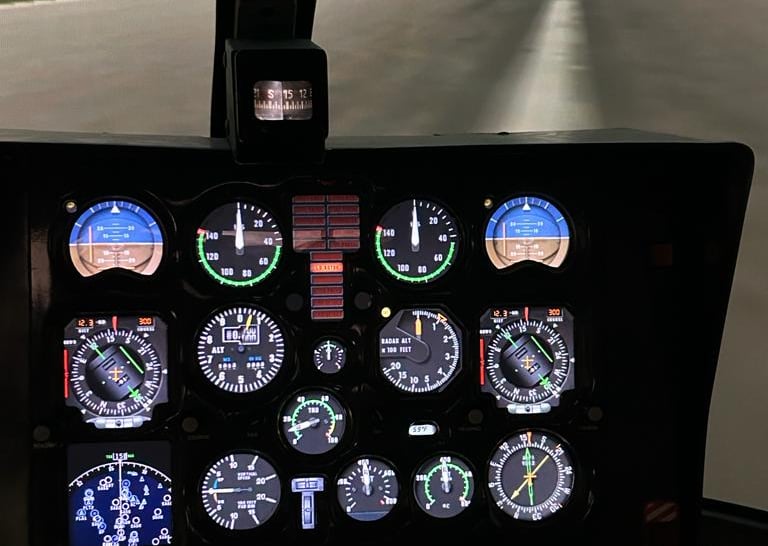
Helicopter Bölkow Bo 105
Advanced training that includes practice in critical operations, such as takeoffs and landings in adverse conditions, autorotation, instrument flight, and emergency procedures. These courses focus on refining flight skills, decision-making under pressure, Crew Resource Management (CRM), and becoming familiar with complex systems, preparing pilots for real and diverse situations in twin-turbine helicopters. Additionally, radio electronics training for all types of helicopters, instrument flight, and ILS approach in low visibility conditions.



C-208B Cessna Grand Caravan EX G1000
Our Cessna Caravan FTD Level 5 combines certified training capability with exceptional realism. The simulator features a 220° × 60° high-definition curved visual system, high-resolution Garmin G1000 avionics, and a full-flight-envelope force feedback system that reproduces the aircraft's control forces with outstanding fidelity. To further enhance immersion, it includes seat shakers for tactile feedback and real electromechanical cockpit instruments rather than software-generated displays, creating an authentic training environment that closely matches the real aircraft.